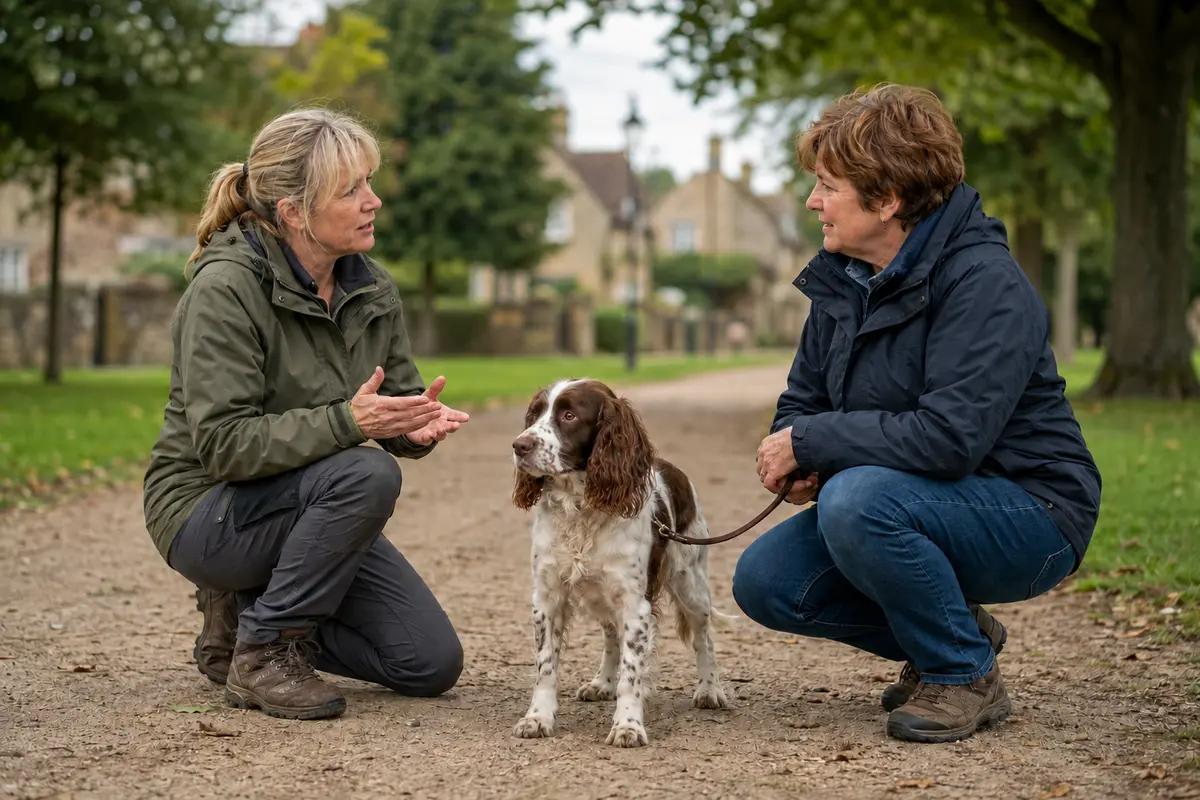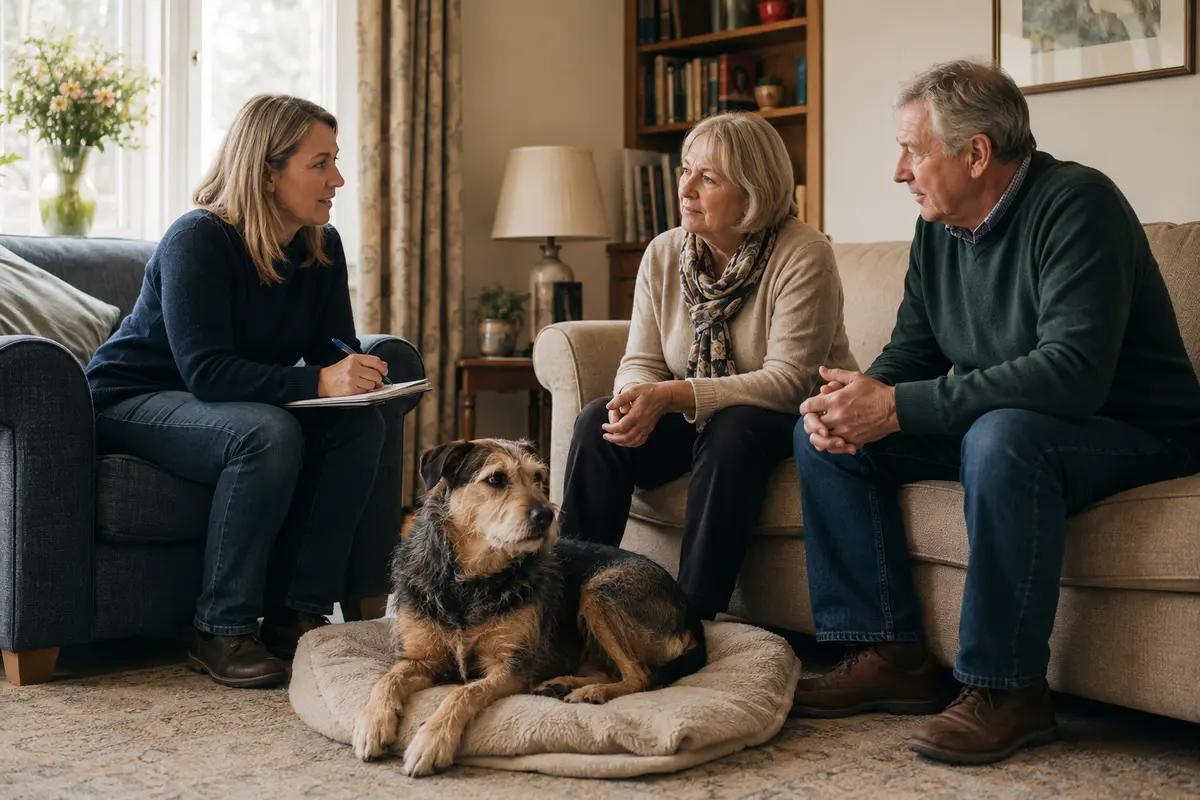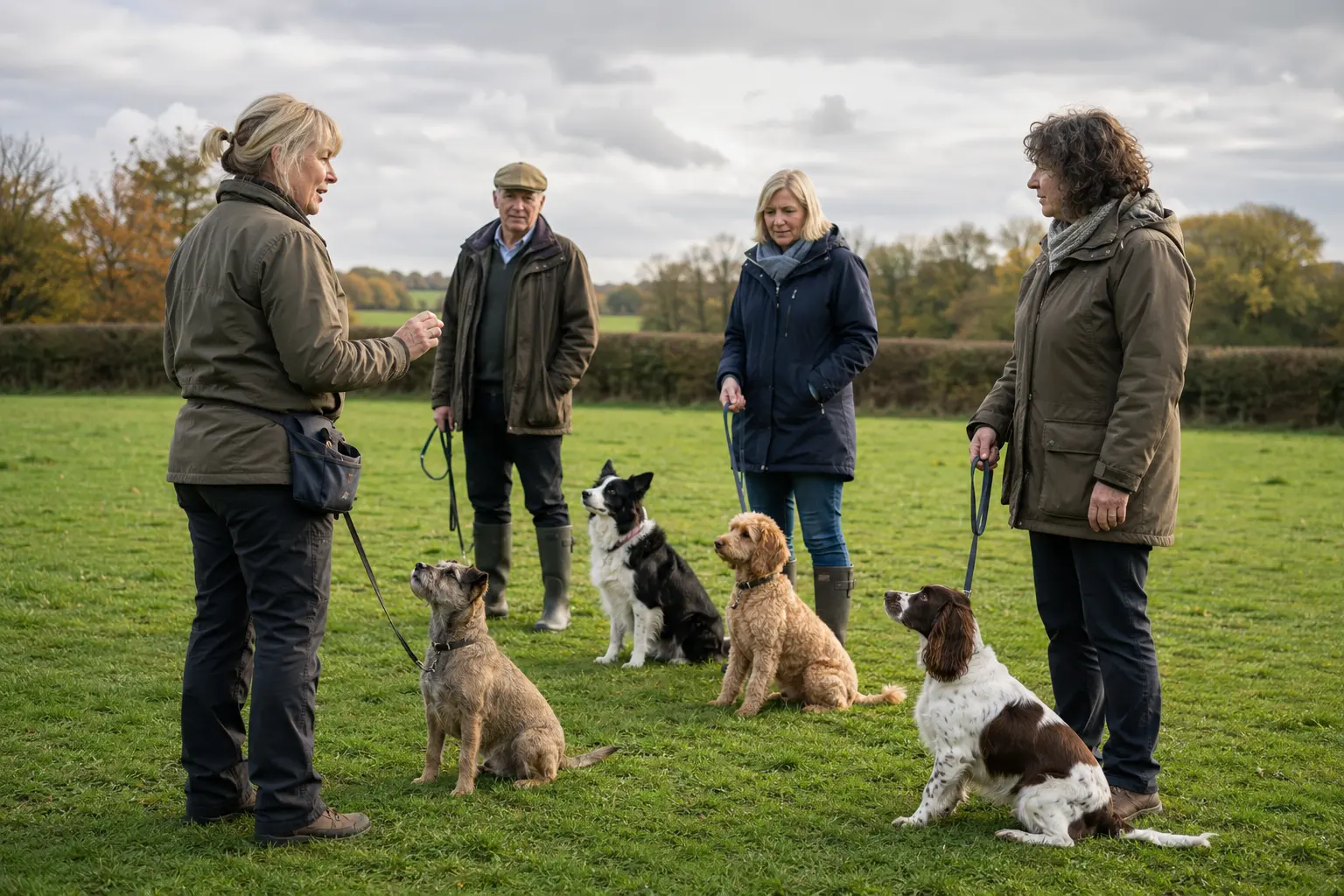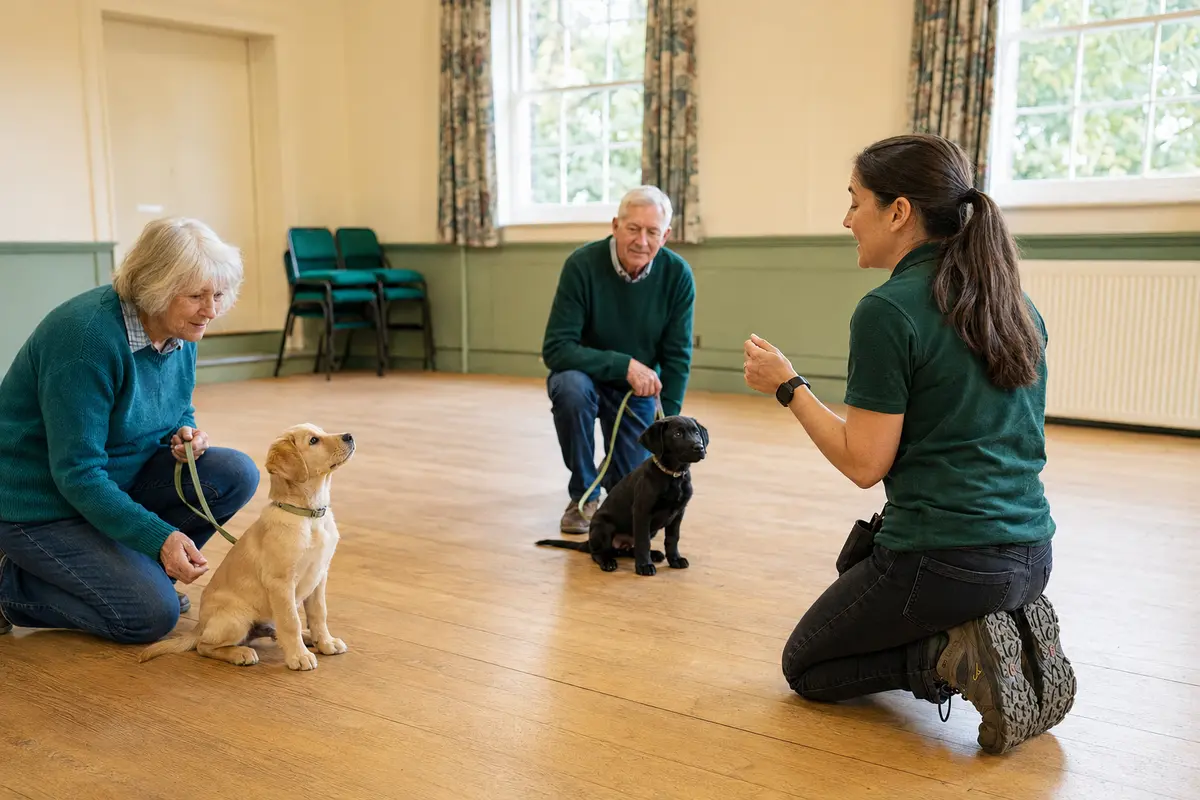
A useful puppy class is not a noisy free-for-all. It should give puppies and owners enough space to learn, with exercises that are short, practical and adapted to individual confidence levels.
A calm, managed environment
Class size, spacing and the trainer’s ability to pause activity matter more than a long list of exercises.
Skills for everyday life
Expect help with attention, recall foundations, handling, settling and walking—not just formal obedience.
Room for individual differences
Puppies develop at different rates. A good trainer will offer alternatives rather than forcing every puppy through the same exercise.
Useful support between classes
Simple written notes or demonstrations help everyone at home practise consistently.
Before you book
Compare more than one trainer, ask for clear answers and take time to decide whether the approach feels right for you and your dog.
Find dog trainers →